Pest Control: Results-Oriented Methods to Preserve Your Living space and Company
Pest Control: Proven Techniques to Protect Your Property and Venture
Primer to Pest Control
Pest Control pertains to the supervision or organization of creatures identified as pests – life forms that negatively affect human activities or settings. In New Jersey, in which diverse biological communities connect with urban-adjacent and urban growth, productive Pest Control is not merely a nonessential but a essential for keeping salubrious home and occupational atmospheres. From the widespread localities of Monmouth County to the integrated neighborhoods of Matawan, pest invasions can trouble each person, no matter of how spotless or well-kept their home may be.
The importance of establishing effective Pest Control plans should not be emphasized enough. For occupants, pests can damage constructional stability, adulterate food reserves, and pose significant health threats. Establishments confront these same difficulties, with the further concern of standing impairment and likely deprivation of clients if infestations are uncovered. Ordinary pests in New Jersey incorporate rodents like rats and mice, different insects such as ants, cockroaches, and bed bugs, and the exceptionally destructive termites that can inaudibly damage a building's structural basis.
For What Reason Pest Control Is Crucial
Health Hazards of Pest Control Treatments
Numerous pests transmit and pass on conditions that can impact humans and pets. Vermin are acknowledged transporters of hantavirus, salmonella, and leptospirosis. Cockroaches can initiate asthma flare-ups and sensitized effects, mainly in little ones. Ticks, numerous in New Jersey's sylvan spots, are well-known for spreading Lyme disease, while mosquitoes can convey West Nile virus and Eastern Equine Encephalitis. Professional Pest Control enables mitigate these health threats by eradicating the root of these likely disease transmitters.
Building Deterioration in Pest Control
The foundational impairment generated by pests can be vast and exorbitant. Termites exclusively trigger over $5 billion in real estate harm per year all over the United States, with New Jersey homes being notably prone due to the state's weather. Small mammals can munch through electronic cables, making fire risks, while their perpetual chewing can impair thermal barriers, pipes, and timber basic sections. Even apparently harmless ants can undermine wooden structures if left unprocessed, particularly carpenter ants which are widespread in Monmouth County.
Monetary Results of Pest Control Services
Ignoring pest incursions can produce considerable financial ramifications. What can originate as a trivial infestation calling for simple processing can quickly amplify into a major difficulty necessitating comprehensive repair. For firms, particularly those in the food service or leisure industries, pest issues can cause unsuccessful health checks, short-term cessations, and permanent impairment to status and customer faith. Putting money in normal Pest Control is not only about immediate contentment—it's a extended fiscal safeguard.
Pest Control: Common Family and Company Pests
Rodents (Rats and Mice)
When it involves spotting rodent problems in your New Jersey home, carefulness is vital. You could perceive feces near food sources, in containers, or beneath sinks. Chew marks on food containers, wooden materials, and electrical cords are telltale signs of their attendance. At evening, you may distinguish scratching noises in dividers, roofs, or underneath floors as these night-time beings get lively. If you locate lairs built from shredded documents, fibers, or arid plant matter, that's a clear signal rodents have constructed themselves comfortable. Oily rub marks next to baseboards and partitions manifest as rodents utilize the identical paths repeatedly, while your pets may show odd actions such as yapping or scratching at regions underneath instruments or furniture where rodents conceal.
Rats and mice in New Jersey homes and establishments establish numerous threats surpassing simple bother. They can spoil food and preparation zones with bacteria residing in their urine and waste. Their constant compulsion to bite can hurt goods, specifically wiring, which makes fire threats. In Matawan and encompassing locations, the Norway rat and house mouse are exceptionally complicated, blooming in both densely populated and peripheral areas. Potent Pest Control approaches are critical to control these damaging encroachers.
Creepy Crawlies (Ants, Cockroaches, Bed Bugs)
Invertebrate infestations present themselves in assorted ways relative to the variety. Ant issues develop into clear when you detect perceptible ant paths directing to food reserves, or when you find tiny mounds of ground or wood particles made by carpenter ants. Cockroach incursions often exhibit themselves through dark dung akin to coffee grounds or black pepper, a singular moldy odor that suffuses contaminated locations, and the presence of egg shells in obscured corners. Bed bug infestations manifest as rust-colored stains on mattresses and fixtures, shed skins near lounging locations, minute blood smudges on sheets, and uncomfortable red protuberances on skin usually organized in a string or group.
Arthropods embody the most various group of pests in New Jersey. Cockroaches can cause asthma and hypersensitivities while disseminating various microbes. Bed bugs, while not disease transmitters, cause significant irritation, sleep interruption, and sentimental distress. Some ant species, like carpenter ants common in Monmouth County's wooded zones, can create architectural deterioration equal to termites through time. Specialized Pest Control providers can detect precise insect varieties and execute targeted intervention approaches that deal with the unique actions and fragilities of each pest.
Termites
Finding termite movement quickly entails understanding the slight indications of their manifestation. You may notice rejected wings near apertures and entrances after swarmers have identified a mate and instituted a new group. Mud tubes on outside barriers, timber beams, or in crawl openings act as sheltered highways for these damaging arthropods. Wood that rings void when hit reveals termites have been feasting from internally. Portals and casements that abruptly bond may show contorting from termite harm, while fissured or rising paint akin to water injury often camouflages termite action beneath. Discovering frass—termite feces reminiscent of tiny wood-colored granules—provides another proof of their undesired occurrence.
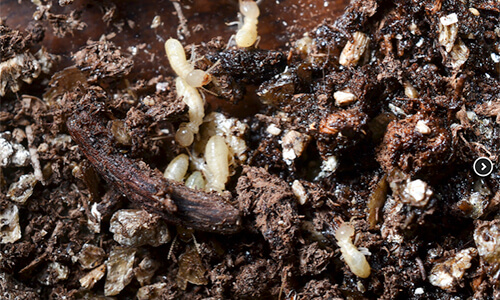
Termites establish perhaps the most considerable foundational menace among all usual pests. In New Jersey, the Eastern subterranean termite is common and especially detrimental. These creatures can persist undiscovered for seasons while generating considerable injury to wood foundational elements. Homes in Matawan and all through Monmouth County, specifically older houses, are exposed to termite outbreaks. The typical price of term pest control.
Pest Control Security Factors
Safe Usage of Products and Chemicals in Pest Control
As chemicals become required in your pest control approach, emphasizing security demands consideration to multiple crucial practices that shield people, companions, and the ecosystem. Continuously examine and follow label directions precisely, as these legally-binding guidelines show thorough examination and official assessment created to reduce risks. Use the smallest successful quantity of pesticide to achieve management while limiting excess chemical introduction into your residential area. Apply substances only in zones indicated on the product instructions, avoiding unauthorized applications that may cause surprising dangers or decrease effectiveness. Don suitable safeguarding apparatus as designated by chemical companies to avoid Capitol Exterminating System pest control services New Jersey personal exposure during application. Maintain substances in their original packages with instructions undamaged to keep access to security data and prevent misidentification. Maintain thorough logs of all applications, writing down substances applied, dilution levels, locations serviced, and schedules of treatment for future consultation. Enable appropriate setting and ventilation before reoccupying serviced locations, specifically crucial in New Jersey's conditions where dampness can influence curing periods. Evaluate lower-toxicity choices when efficient, as advances in pest control have created many safer options that keep effectiveness while minimizing possible risks.
Shielding Pets and Young ones Throughout Pest Control Treatments
Special precautions turn vital when applying pest control treatments in residences with susceptible household individuals. Relocate companions throughout service and until spaces are cured to prevent immediate exposure with wet substances or gases that could produce bad effects. Hide or relocate pet meals, drinking bowls, and playthings before application to stop pollution that could result in unintentional eating. Store children's playthings away from application areas, especially objects that young children might put in their lips. Disinfect and sterilize meal cooking surfaces after service, even if they were not specifically treated, to remove any traces that might have accumulated during service. Keep children apart from applied locations for the specified period, lengthening this time for crawling toddlers who have increased direct contact with ground and lower areas. Examine animal-friendly and kid-friendly substance options when obtainable, as many modern products focus on specific pest physiology while minimizing animal toxicity. Most importantly, advise qualified technicians about the occurrence of pets, kids, or expecting family individuals before they develop application approaches, enabling them to modify strategies and chemical options suitably.
Legal Standards and Adherence with Pest Control
Pest control in New Jersey works within a governmental framework designed to shield public safety and the environment while ensuring successful pest elimination. The New Jersey Department of Environmental Protection oversees pest elimination procedures, necessitating qualified pest control companies to satisfy specific specifications. Businesses must use licensed professionals who have completed state tests demonstrating expertise in pest study, service methods, and protection standards. These organizations must preserve adequate insurance insurance shielding both their specialists and their patrons from possible losses or harm associated with pest control operations. Tight standards control pesticide housing, shipping, and discarding to stop environmental contamination and illegal entry. Experts must supply Safety Data Sheets upon demand, noting the properties and risks of substances utilized in treatments. Alert standards apply for specific applications, particularly in multi-unit dwellings or business spaces with many inhabitants. Comprehensive application documentation must be kept, creating an audit trail of pest control operations. Moreover, only products approved for use in New Jersey may be legally used, confirming that area environmental situations and habitats have been evaluated in the licensing system. For industrial properties in Matawan and throughout Monmouth County, supplementary guidelines may apply based on the business, particularly for dining industry, health, and child care centers where pest elimination intersects with further community health considerations.
Environmentally-Friendly Pest Control Alternatives
Comprehensive Pest Management (IPM) Approach
Unified Pest Management exemplifies the premium level in contemporary pest control, concentrating on sustained protection through a mixture of techniques that reduce natural influence while optimizing effectiveness. The IPM system initiates with comprehensive assessment and surveillance to pinpoint pest infestation exactly, setting up starting data about varieties found and population levels. This produces exact recognition of pest species, ensuring elimination efforts aim at specific actions and susceptibilities rather than using generic methods. Practitioners determine boundary quantities that require intervention, understanding that the mere occurrence of a handful of pests doesn't automatically require action if numbers stay beneath destructive thresholds. When intervention turns required, IPM implements several control methods in cooperation, commonly beginning with minimal-risk strategies and progressing only when required. Within the method, specialists assess efficiency and adjust strategies as required, forming a responsive method flexible to varying situations. Most importantly, IPM highlights protection over intervention, tackling structural and environmental aspects that sustain pest numbers rather than only eradicating existing organisms. Many pest control businesses in New Jersey supply IPM-based programs that match with the state's initiative toward minimal-impact pest treatment methods, specifically in delicate settings like educational facilities, health centers, and meal preparation operations.
Non-Chemical Control Approaches
Productive pest control often includes natural methods that can address or lower pest troubles without bringing pesticides into the surroundings. Tangible shields such as mesh, entry seals, and filling stop pest entry totally, addressing the issue at its origin. Direct methods like devices and barrier systems eliminate present creatures while stopping new arrivals. Living approaches containing helpful creatures and microorganisms bring living enemies that target certain creatures while maintaining useful organisms undamaged. Management practices adjust the conditions to deter insects, such as adjusting moisture schedules to minimize humidity that draws particular bugs. Area change lowers refuge and food options, causing properties minimally attractive to problematic occupants. For some insects like bed bugs, heat processes provide exceptionally successful control without toxic remains by boosting temperatures past the heat fatal level for all living phases of the designated pest. In the same way, cooling methods for warehoused item insects like cereal beetles or pantry insects can remove problems in food products without toxic contamination. These methods show particularly important in New Jersey's diverse locations, where nearness to liquid sources, preserved ecological zones, and concentrated residential areas generates many circumstances where pesticide reduction turns wanted or necessary.
Eco-Conscious Pest Control Management Methods
The pest control sector keeps to develop toward additional sustainable practices that preserve effectiveness while reducing natural impact. Botanical pesticides sourced from botanical extracts like chrysanthemum extract, neem, and essential oils provide specific treatment with reduced persistence in the surroundings. Organic agents including microorganisms, molds, or organisms that attack individual pest organisms supply accuracy that conventional general products are unable to compare to. Development modifiers that inhibit pest mating by interrupting with growth phases deliver sustained community suppression without direct harmful consequences on fully-grown organisms. Scent tools that track or disrupt pest breeding support determine when action turns needed and can avoid mating in some kinds. The field increasingly implements lower-risk pesticides with limited ecological influence, shifting away from traditional formulations with more extensive impacts on beneficial creatures. Precision treatment methods that reduce entire product consumption apply procedures precisely where required rather than scattering materials over extensive spaces. Green certification systems for pest treatment firms determine standards for environmentally preferable assistance and provide consumers with plain labeling of companies dedicated to sustainable practices. In ecologically vulnerable zones of New Jersey, featuring sections of Monmouth County with proximity to water bodies, these green techniques are especially beneficial for defending both people's wellness and natural habitats while still supplying successful pest treatment.
Finding a Local Pest Control Service Provider in New Jersey
Capitol Exterminating System
272 NJ-34
Matawan, NJ 07747
(732) 441-1900
Often Posed Queries (FAQs) about Pest Control
How frequently should pest control be carried out?
For most New Jersey residences, seasonal pest control offers appropriate security against cyclical pest pressures. This frequency aligns with the local separate cycles, each producing separate pest challenges that require protective consideration. Springtime treatments commonly address appearing ant groups and surviving insects becoming lively. Summertime treatments concentrate on mosquitos, parasites, and different flying bugs that thrive in elevated climate. Fall applications arrange residences for small mammals and sheltering pests looking for harborage as climate decrease. Cold season procedures sustain security against interior creatures while handling mouse and rat issues at its peak. However, this timing may rise for buildings with individual hazard elements or active issues that call for additional comprehensive management. Homes close to wooded locations in Monmouth County may advantage from further parasite and mosquito services within peak periods. Structures with record of specific pest troubles often demand specific follow-up treatments beyond the standard four times yearly frequency. Commercial properties, especially restaurant industry businesses in areas like Matawan, regularly call for frequent attention to preserve conformity with wellness requirements and prevent invasions that could hurt standing and commercial functions.
Is qualified pest control harmless for animals?
When carried out correctly, qualified pest control can be protected for animals through thoughtful substance choosing and application procedures that decrease interaction. Today's directed application techniques and safer materials have considerably upgraded safety features relative to conventional pest handling techniques. Recent procedures often employ formulations specifically created to have reduced danger to animals while remaining successful against specific organisms with alternative anatomies. Expert professionals acquire instruction in usage procedures that position products in spots companions can't get to, such as structural voids, cracks and gaps, or beneath equipment. Nonetheless, animals should be removed during procedure and until all applications have solidified totally, adhering to specific waiting times suggested by the product maker and specialist. Aquarium containers should be enclosed and ventilation equipment stopped during treatment to prevent infection from suspended substances. Pet objects containing sleeping areas, objects, and feeding bowls should be removed or enclosed while performing application. Talk about any issues with your pest control provider, who can propose appropriate rest durations depending on the certain applications applied and modify strategies for residences with notably sensitive animals like birds or reptiles that may have distinct bodily sensitivities than cats and dogs.
What are the evidence of a significant pest infestation?
Apart from observable creatures themselves, multiple caution signals reveal potentially severe invasions calling for quick pest control response. Odd aromas regularly emerge with extensive problems – stale, oily aromas may reveal mice and rats, while sugary, distinctive aromas occasionally follow German insect colonies. Unknown building damage like falling surfaces, rising surface, or breaking timber may reveal termite presence or carpenter ant colonies ruining construction pieces. Odd activity within walls or attics, specifically at night, frequently suggest rodent movement as these evening creatures become lively in unseen areas. Too much particles similar to tiny sawdust beside wood pieces may in fact be frass or droppings from timber-damaging creatures. Some homes experience unknown medical issues like respiratory difficulties or itching that resolve when away from property, likely suggesting insect issues impacting inside environmental purity. In New Jersey houses, special focus should be devoted to basement and foundation areas where moisture problems can maintain pest populations, especially in aged properties throughout Monmouth County where support openings and deteriorating binding offer multiple entry points. Encountering multiple dead pests of the identical kind implies a bigger population close, while fat marks near wall bases show set small mammal trails with regular movement.
Can I prevent organisms without pest control products?
Indeed, multiple organisms can be eliminated through appropriate sanitation, blocking, and living space adjustment without resorting to chemical applications. The foundation of natural pest control starts with thorough prevention efforts – blocking cracks, holes, and openings that let insects to enter structures in the beginning spot. Setting up entrance barriers, fixing broken filters, and filling mechanical access points stops typical entry points. Removing food options through appropriate nutrition storage in closed packages, fast removal of accidents and bits, and regular garbage removal substantially reduces draws that bring insects inside. Minimizing water by correcting flowing water lines, upgrading air circulation in moist locations, and tackling water flow concerns removes the water supplies various insects demand. Preserving a space region around homes by trimming foliage, removing leaf litter, and storing timber off the ground and apart from structures minimizes hiding areas and access points. Using physical blockades like copper material or metal stuffing to stop wider spaces provides long-term blocking for mice and large mice. Regular sanitation that contains suction cleaning fissures and crevices removes creature larvae and nutrition waste that encourage pest reproduction. For existing problems, nevertheless, some kind of control product may be required to fix set concerns, though many reduced-danger alternatives are obtainable containing natural silica material, boric compound, and pest-killing soaps that supply lowered danger compared to standard chemicals.
What should I expect during professional pest control application?
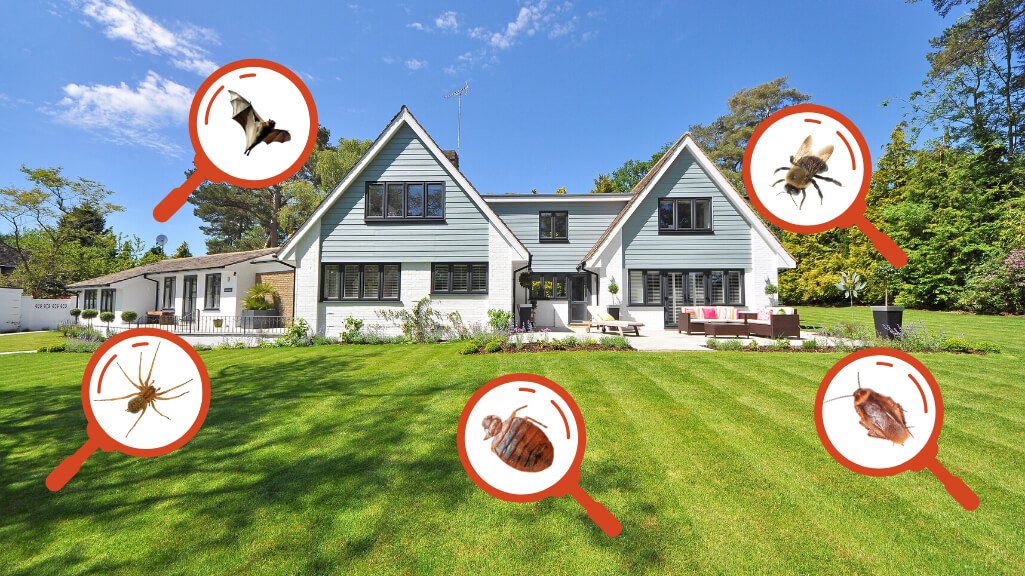
A expert pest control service typically initiates with a detailed assessment to determine pest kinds, entry places, and conducive circumstances relating to the problem. The technician should take time inspecting both internal and exterior locations, paying special focus to cooking areas, bathing facilities, underground areas, and edge bases where pest activity commonly gathers. After this examination, the specialist should explain their observations in detail and advise a treatment program customized to your individual condition, talking about both the intended creatures and the methods suggested for controlling them. You may obtain arrangement steps before treatment, potentially including repositioning objects, cleaning certain locations, or protecting animals. While performing the treatment, the professional will apply suitable substances to focused areas according to the pest varieties determined, focusing on fissures, spaces, and pest harborage zones rather than distributing procedures throughout whole areas. They may place surveillance tools like creature traps or bait stations that help monitor improvement and provide continuing security. After concluding procedures, a professional should clarify any following-application guidelines such as ventilation specifications, occupancy times, or surfaces to sanitize. Before going, they should schedule additional services if needed for notably difficult organisms like sleeping pests or German insects that usually need several applications for total removal. Across this process, professionals should welcome inquiries and provide clear data about the substances and approaches used, showing their preparation and dedication to both effectiveness and wellness.
Efficient pest control is an crucial element of maintaining clean, secure dwelling and working environments in New Jersey. From the humid summers that generate mosquitoes and parasites to the cooler times when rodents search for harborage within, pest threats continue a annual issue for homeowners and companies in Monmouth County and Matawan. By grasping frequent pests, applying preventive measures, and understanding when to obtain qualified assistance, property managers can protect their properties and the health of occupants.
Taking a proactive strategy to pest control is constantly increasingly productive and cost-effective than addressing to established infestations. Regular evaluations, proper preservation, and dealing with minor issues before they worsen can prevent the substantial fees and disruptions connected with substantial pest issues. When expert support becomes necessary, choosing a trustworthy, licensed pest control service who utilizes integrated pest control principles provides productive achievements with reduced natural influence.